

By Ceyda Güneş
Didim is renowned not only for its stunning beaches and ancient ruins but also for its rich culinary traditions. One of the lesser-known treasures of this region is a local herb called Kuzu Kulağı, which translates to “Lamb’s Ear” in English.
What is Kuzu Kulağı?
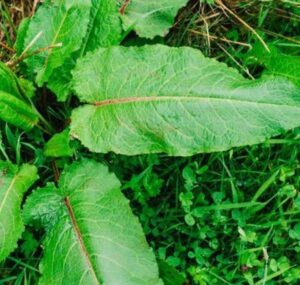 Kuzu Kulağı (scientifically known as Stachys byzantina) is a perennial herb characterized by its soft, fuzzy, silvery-green leaves that resemble the ears of a lamb, hence its charming name. This plant thrives in the Mediterranean climate of Didim and is valued for both its medicinal properties and its unique flavor in cooking.
Culinary Uses of Kuzu Kulağı
Locals have long cherished Kuzu Kulağı for its mild, slightly tangy taste, making it a versatile ingredient in traditional Didim cuisine. Here are some popular dishes that feature this herb:
Kuzu Kulağı Salad: Fresh lamb’s ear leaves are washed and mixed with tomatoes, cucumbers, onions, and a drizzle of olive oil and lemon juice. The herb adds a delightful texture and subtle flavor to this refreshing salad.
Herbed Omelette: Chopped Kuzu Kulağı is sautéed lightly with garlic and then folded into eggs to create a fragrant and healthy breakfast option.
Stuffed Vine Leaves with Kuzu Kulağı: In some variations of the classic dolma, finely chopped Kuzu Kulağı is mixed with rice, herbs, and spices before being wrapped in vine leaves and cooked.
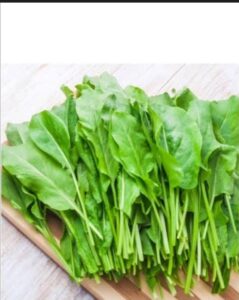 Herbal Tea: The leaves can also be dried and brewed into a calming herbal tea known for its soothing effects.
Cultural Significance
Beyond its culinary uses, Kuzu Kulağı is part of Didim’s agricultural heritage and natural landscape. It reflects the region’s deep connection to the land and traditional ways of living, reminding visitors that the best flavors often come from humble, locally grown plants.
Final Thoughts
Whether you are a food enthusiast or a traveler eager to experience authentic local flavors, discovering Kuzu Kulağı is a delightful way to taste the spirit of Didim.
Next time you visit, be sure to try dishes featuring this unique herb and appreciate the simple yet rich culinary traditions of the Aegean coast.