
Who isn’t familiar with that post-pub street food stalwart, the döner kebab? Also known as the “elephant leg”, the döner gets its name from its cooking method, turning continuously on a vertical spit.
Döner kebabs originated in the Ottoman Empire during the 19th century, when cooks in Bursa began roasting seasoned meat on a vertical spit rather than the traditional horizontal one. Thin slices of lamb were originally used, although modern versions commonly include beef, chicken, or a mixture of meats.
As the outer layer cooks, it is shaved off in thin slices and served in flatbread or a crusty roll, or alongside rice with salad and yoghurt. Although many countries have developed their own versions, Turkish döner remains distinguished by its relatively simple seasoning, which allows the flavour of the meat to take centre stage.
Although the döner might be the most well-known, there are plenty of other street foods you might see on sale while you’re wandering around Didim. Some are a bit eyebrow-raising, some are great if you have a sweet tooth, and others cater for vegans (even if they sound extremely carnivorous!). Here’s a brief guide:
Çiğ Köfte – veggie meatballs
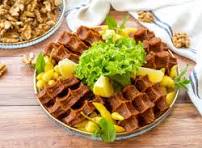 Çiğ köfte (“raw meatballs”) originated in southeastern Türkiye, particularly around the city of Şanlıurfa, and is traditionally linked to a legend in which hunters, unable to light a fire, kneaded raw meat with bulgur and spices to create a meal. Historically made with finely minced raw beef or lamb, modern street versions are almost always vegetarian or vegan, combining fine bulgur with tomato and pepper paste, isot pepper, herbs, and spices. The mixture is kneaded by hand until smooth and served wrapped in crisp lettuce leaves or lavash bread with parsley, mint, lemon juice, and pomegranate molasses. Eating çiğ köfte is often a social experience, with the careful hand-kneading of the mixture considered an important part of the tradition.
Kokoreç – grilled lamb intestines
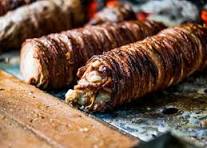 Kokoreç is one of Türkiye’s most distinctive street foods and, like many Turkish foods, has roots in the Ottoman period. It is made by wrapping seasoned lamb intestines around sweetbreads and other offal, then slowly roasting the roll over charcoal until crisp outside and tender inside. Vendors finely chop the cooked meat on a hot griddle with oregano, thyme, chilli flakes, and tomatoes before stuffing it into crusty bread. Kokoreç has a devoted following, particularly as a late-night meal after evenings out, making it an iconic part of Turkish street food culture. Many say it tastes like crispy bacon. Do you dare to find out?
Lokma – bitesize deep-fried doughnuts
Lokma are small, deep-fried balls of yeast dough soaked in fragrant sugar syrup. Beyond being a popular sweet snack, lokma carry an important cultural tradition: often prepared and distributed free to commemorate loved ones who have passed away or to celebrate significant occasions such as births, weddings, or religious events. Their combination of crisp exterior and syrupy centre has made them a beloved treat across Türkiye.
Tantuni – spicy meat wrap
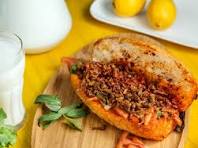 Tantuni originated in the Mediterranean city of Mersin and began as an inexpensive meal for workers. Thin strips of beef or lamb are chopped and cooked on a large flat griddle with oil, tomatoes, and spices before being wrapped in thin flatbread or served in a crusty roll. Fresh parsley, onions, and a squeeze of lemon complete the dish. The rapid chopping and sizzling preparation are part of the theatre of ordering tantuni from a street vendor, where it is prized as a filling yet affordable meal.
Balık Ekmek – grilled fish sandwich
Balık ekmek, meaning “fish bread,” is one of Istanbul’s most famous street foods. Grilled or fried mackerel or anchovy is placed inside a crusty loaf with onions, lettuce, and lemon juice. The sandwich became closely associated with the fishing boats along the Golden Horn and the Eminönü waterfront. Although versions can be found throughout Türkiye’s coastal regions, eating balık ekmek by the Bosphorus remains a classic Istanbul experience.
Tulumba –syrupy pastry pieces
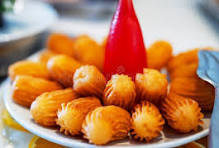 Tulumba is a syrup-soaked fried pastry influenced by desserts from the Ottoman imperial palace kitchens. A thick choux-style dough is piped into short ridged lengths, deep-fried until golden, and immediately immersed in sugar syrup. Tulumba is commonly sold by street vendors, bakeries, and sweet shops, particularly during festivals and family celebrations. Its name refers to the way the dough is pumped into little sausages, and links it etymologically to trumpets (tulumba) and Ottoman firefighters (tulumbacılar), who pumped water to extinguish fires.
Simit – ring-shaped bread rolls
Simit is perhaps Türkiye’s most recognisable street food: a circular bread coated generously in sesame seeds and baked until crisp outside and chewy within. For centuries simit sellers carrying trays or pushing carts have been a familiar sight in Turkish cities. It is commonly eaten for breakfast or as a snack with cheese, olives, or jam, and never seen without an accompanying glass of tea.
Midye Dolma – mussels on the half-shell
Midye dolma consists of mussels stuffed with aromatic rice flavoured with pine nuts, currants, cinnamon, allspice, and herbs before being served with plenty of fresh lemon juice. Particularly popular in Istanbul and the Aegean coastal cities, they are sold from trays by mobile vendors, especially in the evening. Customers often eat several in succession while standing at the stall, making it as much a social ritual as a snack.
Did we miss any out?