
By Ceyda Güneş
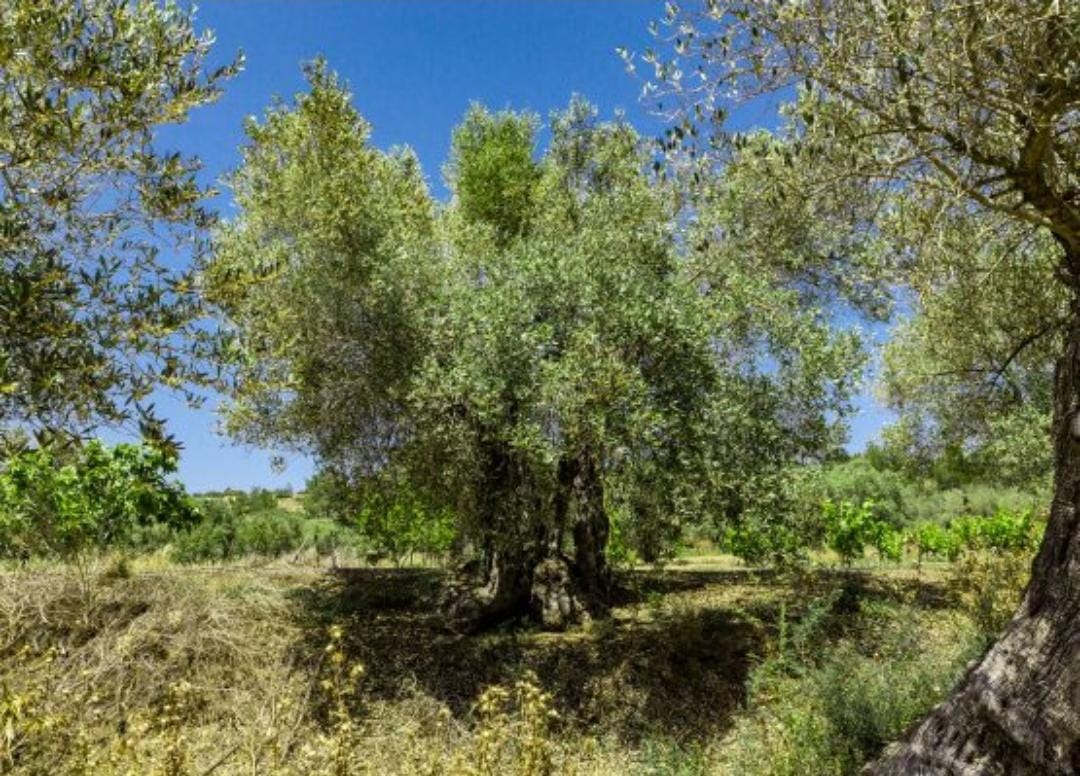
Scattered across the villages of Akköy, Akyeniköy, and Mavişehir, Didim is home to some of the oldest olive trees in the Aegean region.
Locally known as “anıt zeytin ağaçları” (monumental olive trees), many of these gnarled giants are estimated to be over 800 to 1000 years old. They are not only botanical wonders but living witnesses to centuries of history, culture, and human resilience.
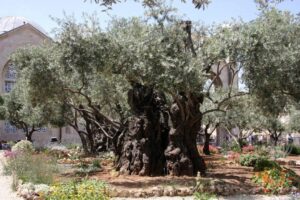
One such tree is affectionately called “Dede Zeytin”—the Grandfather Olive—by villagers in Akköy. With a twisted, almost sculptural trunk measuring nearly three meters wide, it is more than a tree; it is a silent elder which has seen empires fall and generations rise.
 A Culture Rooted in Respect
In 2022, several of these olive trees were officially registered as monumental heritage trees by the Turkish Ministry of Agriculture and Forestry. Yet for the people of Didim, protection has never depended on official documents.
We visited the modest olive groves of Ali Eryılmaz, a fourth-generation olive farmer in Akköy. Standing proudly beside a 900-year-old tree he calls “Anaç” (The Matriarch), Ali reflects:
“This tree fed my family when we had nothing. It has seen more than I ever will. I don’t own it. I serve it.”
Ali’s family still uses traditional cold-press methods and hand-harvesting techniques passed down from his grandfather. As he guides us through his land, he stops to show younger trees he planted as a boy. “They’re still children,” he smiles, “but in 100 years, they’ll start telling stories too.”
The Ritual of Harvest
Harvest season in Didim is a time of joy, rhythm, and collective memory. Women spread nets beneath the trees, while men gently shake the branches using wooden sticks. There’s singing, shared meals, and moments of silence to thank the land.
The olives are sorted by hand. The greenest ones are cured in brine and stored in clay jars, while the rest are sent to small family presses for oil extraction. The resulting olive oil is fresh, grassy, and slightly peppery—a true expression of the land.
Olive Tip: Ask for cold-pressed Akköy oil at local markets. Try it with warm village bread, sea salt, and fresh thyme.
 Preservation vs. Progress
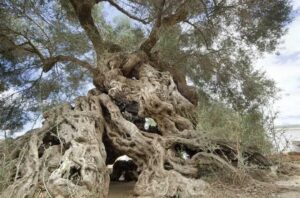
As Didim grows rapidly, the ancient trees face increasing threats. Without proper planning and community awareness, centuries-old trees may be lost in weeks.
Local activist Ayla Kara, who has documented over 30 monumental trees in the region, warns: “You can’t plant a 900-year-old tree. If we lose them, we lose part of our soul.”
Efforts are now underway to introduce olive heritage education in local schools, promote eco-tours, and develop “Olive Trails” for responsible tourism. Didim’s Ziraat Odası (Chamber of Agriculture) has also started workshops on preserving local varietals and grafting techniques.
The Olive Heritage Trail
Inspired by the legacy of these trees, local volunteers are mapping out a walkable Olive Route through Akköy and Akyeniköy.
Highlighted stops include:
Dede Zeytin – A monumental olive tree in Akköy
Anaç Tree – Near Ali Eryılmaz’s grove
A traditional cold-press olive oil facility
Beginning of a scenic olive grove hiking path
Look out for signs or QR codes across the villages to follow the trail.
Visual Memories
The cracked bark of Dede Zeytin under golden sunlight
A grandmother sorting olives by hand in front of her house
Children playing hide and seek among the old tree trunks
These images tell a story no words can fully capture: a bond between people and trees built on patience, respect, and time.
Didim’s monumental olive trees are keepers of memory, anchors of identity, and symbols of resilience in a changing world. As the region modernizes, these ancient beings remind us of a truth we often forget: Progress doesn’t mean replacing the past. It means learning how to carry it forward.