
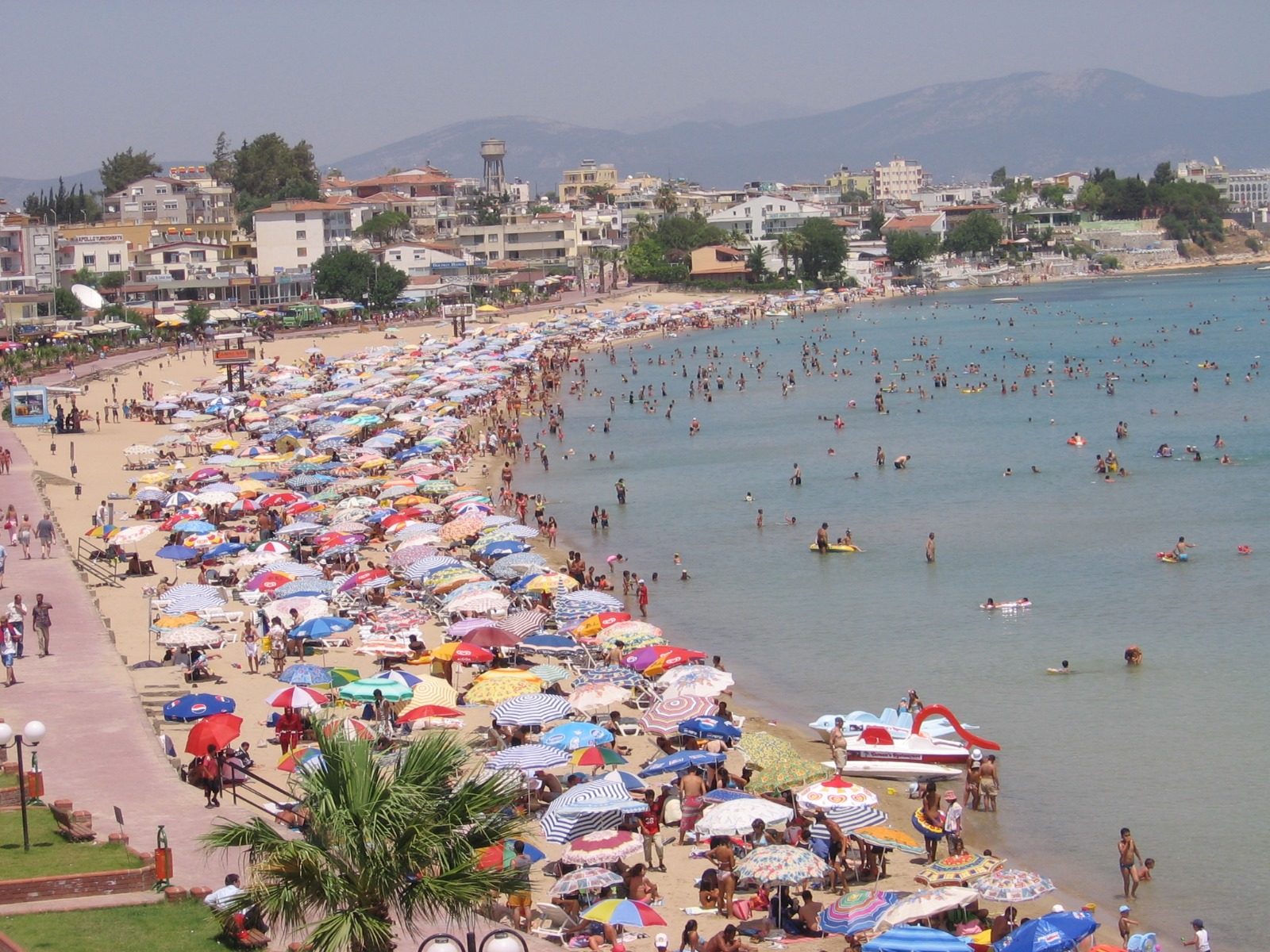
Voices reporter Laura Bower has been interviewing readers this week asking about their reflections on the town.
Karen Hoyland and Ann Bhagwanani praised the town’s growth, modern amenities, and year-round appeal while noting rising prices, littering, and inconsistent cleanliness as challenges.
Karen lives here full-time, while Ann visits for months each year. Both enjoy the affordability of property and utilities compared with the UK, and despite economic and residency issues, they continue to value life in Didim.
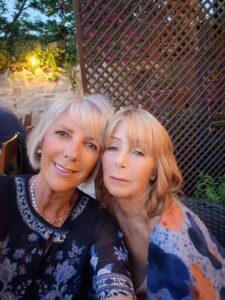
Karen Hoyland and Ann Bhagwanani
Karen, a retired Royal Navy SOFT Services manager, and Ann Bhagwanani, former manager of World Youth Skills, have been visiting Didim since the late 2000s.
Karen first came in 2007 and bought a property in 2008, while Ann visited Marmaris around the same time and purchased her Didim property in 2010.
Karen now lives in Mavişehir full-time, while Ann and her family spend five to six months a year there, initially for short work holidays and later for extended stays after retirement.
Both women have seen Didim transform dramatically. “It’s doubled, trebled in size,” said Karen, noting growth in both homes and businesses. Ann highlighted “more shops and restaurants… nicer areas, lots more coffee shops,” while Karen added: “It’s a bit more upmarket than it used to be.”
They appreciate the area’s authenticity, calling it “more like Turkey” and noting that it is increasingly sustainable, with more businesses and amenities staying open year-round, drawing both locals and expatriates.
Karen praised the new hospital, reflecting the growing population, which she observed is now mostly Turkish due to visa restrictions affecting foreigners.
Yet, rapid growth has brought challenges. Prices have soared, particularly in Altinkum, where Ann says they “have quadrupled.” Water bills, rent, and utilities have risen sharply.
Karen noted: “Water went from 100 lira to 130 in three months,” while Ann adds, “Meals cost double in pound terms compared to last year.”
Despite the impact, they continue to spend time in Didim, observing that rising costs are widespread across Europe and quality matters: clean beaches, well-maintained sunbeds, and better infrastructure make a difference.
Cleanliness and environmental management are ongoing concerns. Karen observes that the council focuses on tourist areas and only cleans streets before major holidays, while Ann notes littering on streets and beaches: “Every day I pick things up because it’s just terrible.”
Volunteer groups, including expatriates, lead plogging efforts to tidy up litter, but both women feel education is needed: “It needs to start from school,” says Ann. Karen speculates that some irresponsible behaviour comes from visitors rather than residents of Didim, citing dangerous scooter driving and unsafe behaviour on beaches.
Residency issues also affect long-term foreigners. Karen explained that neighbours living in Didim for 18 years face short-term permits due to their marital status or tapu registration. Ann had no problems, having her marriage certificate apostilled, which ensures equal treatment for spouses.
Karen contrasts the affordability of property in Didim with England, noting, “In England, a second home costs you £1,800 a year in utilities and taxes… here it’s cheap,” with Ann adding, “Even electricity and water are really cheap.” This low cost of living allows flexibility in discretionary spending.
Both women discuss the impact of economic fluctuations. Karen said, “The economy has affected everything—from restaurants to transport and fuel.”
Nevertheless, they remain committed to living in or spending extended periods in Didim, viewing the town’s growth positively despite inflation and rising costs.
Overall, Karen and Ann paint a picture of Didim as a town in transition: growing and modernizing, yet facing challenges in affordability, municipal services, and environmental management.