
Not that long ago, Türkiye had a bureaucracy paralysed by paperwork. If you had gone to school in Kars but now lived in Didim and wanted to take your driving test, you could face a two-day bus journey to collect your school report and another two-day trip back to hand it in. CofE school veterans might think little had changed since Mary travelled by donkey to register for the national census 2,000 years ago.
e-Devlet
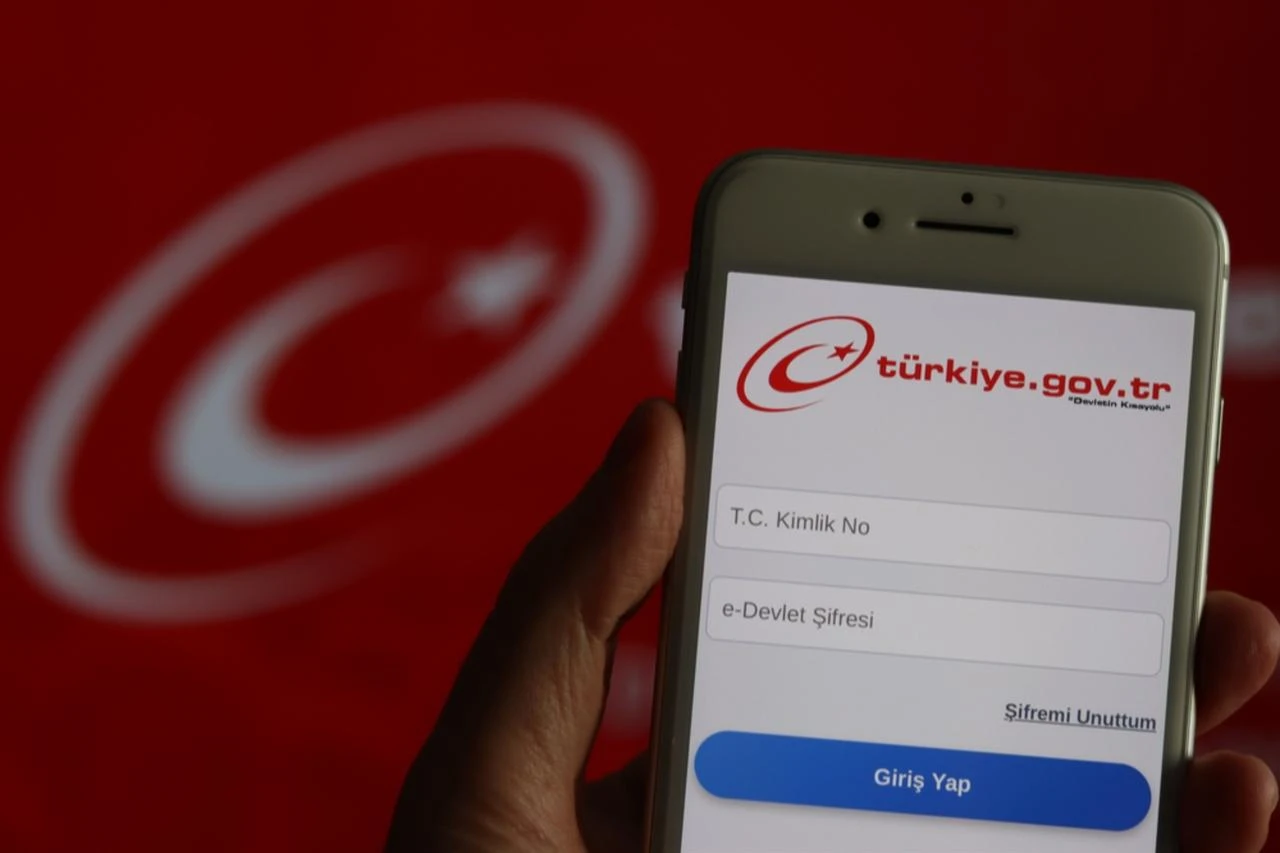
For a country of more than 80 million people, many of whom have moved from one side of Türkiye to another, that system was far from practical. Fortunately, there is now e-Devlet (e-Government), an app that acts as single interface between the individual and the state. Turkish residents and citizens can access everything from birth certificates and title deeds to traffic fines, court cases, medical records and tax information, and use it as a secure portal to connect through to other official bodies.
Users can also keep track of powers of attorney, see legal activity carried out in their name and receive official electronic notifications. As Didim-based legal translator and consultant Sami Işık explains: “Via e-Devlet, people can see their health records, cars that they own and the debts they owe to the government. It enables them to get electronic notifications at the same time.”
The system continues to expand. In Didim it is now linked to the local council, allowing residency permit holders with an e-Devlet login to view and pay council tax debts online.
e-Nabız
e-Devlet is linked with e-Nabız, literally e-Pulse, which brings together almost everything related to your healthcare. It stores doctor and hospital appointments, prescriptions, test results and X-rays in one place.
One of its useful features is the ability to book appointments online. You can see all available appointments for your chosen doctor and select the one that suits you best. e-Nabız also includes a symptom checker that suggests possible diagnoses and directs users to the appropriate type of specialist, although this feature is currently only available in Turkish.
To register for e-Devlet, residents with a Turkish phone number should take their residency permit and passport to a PTT branch, where they will be issued with a password. The same login details can then be used to access e-Nabız.
GöçBil
The newest app, and one currently causing concern among many expats, is GöçBil. Voices visited the main Türk Telekom office in Didim, where staff explained its purpose, how to register and the main problems users are encountering.
GöçBil is mandatory for all non-citizens with residence permits. It stores users’ address and contact details and is used for mandatory status check-ins. It is also a prerequisite for having a Turkish SIM card. Current guidance is that SIM cards belonging to non-citizens who have not completed GöçBil verification will be frozen from 27 July 2026, preventing access to services that rely on SMS verification, including banking, notary transactions and logging into e-Devlet. It is also expected to become necessary for other services as the system expands.
The simplest way to register is through an existing e-Devlet account, provided your residence permit is less than three years old. After downloading the app, you can link it to e-Devlet and complete the verification process. Alternatively, you can visit your local immigration office, which for Didim residents is now in Aydın, where staff can complete the process manually.
Once registered, you must also link your mobile phone number to GöçBil to keep your existing number active. This can be done through the app or at an official branch of your mobile provider. For example, Türk Telekom customers must visit an official Türk Telekom branch, while Turkcell customers need an official Turkcell branch.
The biggest difficulty many users face is biometric verification. To register a SIM card, GöçBil uses a facial scan that is matched against the biometric photograph held by the immigration authorities. If your residence permit was issued more than two years ago, that photo may no longer be accepted. In that case, your mobile provider may be able to verify your identity manually; otherwise, you will need to visit the immigration office in Aydın to update your biometric photo, as this cannot currently be done within the app.
Özlem Çokgüler, who provides consultancy services for foreign nationals in Didim, summarises the process: “For the e-government and e-health systems, all foreign citizens need to have their phone numbers verified through their e-government passwords and e-government information… For SIM card verification by the immigration administration, foreign citizens need to go to the offices of telephone operators with their foreign identity cards, and the verification process will be carried out by the telephone operators.”
At a glance
- e-Devlet: Türkiye’s central e-government portal, giving residents and citizens secure access to official records, documents, taxes, fines, legal information and many public services.
- e-Nabız: The national digital health app, allowing users to view medical records, prescriptions, test results and book hospital and doctor appointments.
- GöçBil: A compulsory app for foreign residents that verifies identity, contact details and SIM card registration, with increasing links to other essential government and telecom services.