
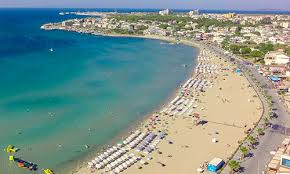
The 2026 summer season has failed to generate the expected level of activity for both businesses and the tourism sector, a veteran tourism leader has revealed.
It is reported that hotel occupancy rates remained low and the streets quiet due to the impact of global geopolitical tensions and economic conditions. Sector representatives point out that the perception of security, especially in the international market, directly affected tourism activity.
Hikmet Atilla, a member of the Didim Chamber of Commerce Council and owner of a travel agency, stated that expectations have not been met despite being in the middle of the season.
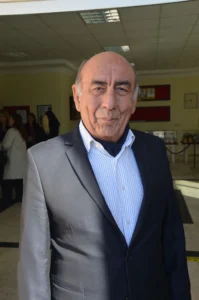 Atilla shared his observations from his trip to Germany, stating that flight occupancy was low:
“We’re nearing the end of June. Even though we’re in the middle of the season, the flights weren’t full. The most striking point is the significant decrease in the number of foreign tourists.”
He noted a significant decline, particularly in the UK market, with some flights cancelled, and emphasized that the issue was not price, but rather the perception of safety.
“In tourism, the main issue isn’t price, it’s the perception of security. People want to feel safe where they are on holiday,” he stated
It is stated that the accommodation sector in Didim is experiencing different problems at different scales. Small hotels are struggling due to insufficient bookings, while large hotels are facing profitability problems due to high costs.
The expected surge in domestic tourism also did not materialize and that the late closing of schools and economic conditions affected the holiday plans of domestic tourists. There has also been a decrease this season in visits by expatriates, who make a significant contribution to Didim every year.
Atilla stated that if conditions improve, there could be increased activity in September and October, but this would be more impactful in the Antalya region. While the overall season has fallen short, the current situation points to a challenging summer season for both shopkeepers and hotel operators.
Bodrum pain points
Süreyya Öneş Derici, a Republican People’s Party (CHP) Member of Parliament from Muğla, drew attention to the problems faced by tourism in Muğla during her speech in the Grand Assembly of the Turkish Parliament (TBMM).
Derici stated that the tourism sector is going through difficult times due to high costs, declining purchasing power, and insufficient public investment, and argued that the government is deepening the problems instead of solving them.
Derici stated that although the tourism season appears to last six months on paper, the reality on the ground is very different, and many businesses try to cover their year-long costs with only a few months’ income.
She stated Türkiye has lost its price advantage in many tourism markets and noted that this situation has caused fluctuations in the number of foreign tourists, and that domestic tourists are also having to postpone their holiday plans due to declining purchasing power.
Derici noted that energy costs, high rent prices, operating costs, and difficulties in accessing financing have negatively impacted the sector, adding that small businesses and tradespeople, in particular, are struggling to stay afloat.
Derici stated that the population increases exponentially during the summer months, but this actual population is not taken into account in the central government’s planning, and that infrastructure deficiencies lead to serious problems during the peak season.
Derici emphasized that the future of tourism can only be secured not only through economic measures but also through the protection of natural and cultural values, stating, “Tourism cannot be sustained without protecting nature and history. The future cannot be created without protecting life.”