

A.J. Griffiths-Jones
With Autumn upon us, there is a huge variety of seasonal fruit now available in local markets, with figs and pomegranate being amongst the most versatile and delicious.
Walk down the street of any small town or village right now and you will see beautiful red and pink pomegranate trees overhanging boundaries full of ripened fruit. Many expats will recall eating the tasty seeds with a cocktail stick in their youth, keeping them occupied for ages, but there is so much more that this nutrient-dense fruit can be used for.
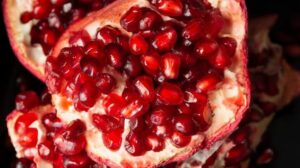 Containing high levels of natural antioxidants, pomegranates have many health benefits and can be advantageous when incorporated into a balanced diet. Although sometimes referred to as ‘the Devil fruit’, some religious scholars believe that it was the pomegranate, and not the apple, that was eaten by Eve in the Garden of Eden, the name more likely originated in Greek mythology, when Hades tricked Persephone into eating pomegranate seeds which bound her to the Underworld for part of every year.
Native to Turkiye, this pretty and tasty fruit is often used to make juice and molasses as the natural acidity helps to tenderise rich red meats. Look for ‘Nar Eksisi’ in supermarkets, which is a thick tart syrup used for marinades and salads.
Fresh pomegranate juice can also be mixed with olive oil to create a smooth salad dressing. If you prefer to just eat the seeds, scatter them over couscous, yogurt and desserts to create a colourful topping. My personal favourite way to use pomegranate seeds is to sprinkle them over naan or flatbreads with a creamy cheese, toasted walnuts and a drizzle of balsamic vinegar. Delicious!
In Turkiye, the pomegranate, known as ‘nar’, is a powerful symbol of good fortune. You might occasionally witness people smashing a pomegranate on the ground near the front door of a newlywed couple’s home, as it is believed that the more seeds that scatter, the greater their luck will be for their year ahead and marriage.
You might also notice many pomegranate-shaped ceramics and metal ornaments in souvenir shops as many households display them as lucky charms. Tealight holders are very common and often have carved out shapes in the sides which reflect on dark nights.
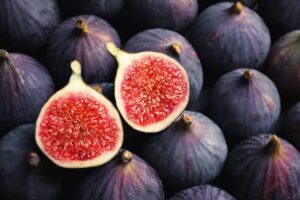 Figs are also readily available now, with both fresh and dried fruits being sold by the kilo. You might see different coloured fig skins, either green, purple or brown, but all are equally versatile when it comes to eating. They tend to be in abundance from late summer through to early autumn, so the best way to enjoy figs for longer is to purchase pre-dried, or fresh if you intend to make preserves.
A particularly tasty jam is walnut & fig, which is perfect with a breakfast simit. If you fancy giving this a try, remember that fresh figs go off very quickly and will only keep for up to three days in a fridge, so cook them slowly and add lemon juice or pectin to ensure your jam thickens.
Many restaurants serve figs with soft cheese and drizzled with honey, which is a really easy way to create an impressive starter or dessert at home. Simply cut an ‘X’ into the top of each fig, place them in a baking dish and pour over a spoonful of honey before baking at a high heat until soft and oozing.
If you fancy something really simple, add fresh fig wedges to salads and add some crumbly cheese, perfect!
Dried figs are equally delicious and can be used in many ways. After pre-soaking in fruit juice to soften, they work well in cakes or homemade cereal bars, or for a tasty pudding, boil them in a little water with cinnamon and cloves until soft, before serving with ice cream and chopped nuts. There are many varieties of fig, but Turkish figs, often the Smyrna or Sari Lop, have a unique sweet and nutty taste.
It is no surprise that Turkiye is the world’s leading exporter of figs, supplying over 27% of global fresh figs and 50% of the world’s dried fig exports. In Turkish culture, and throughout Mediterranean history, figs symbolise abundance, fertility, peace and prosperity.
Fig cultivation in Anatolia dates back over 2,500 years, making it one of the oldest cultivated fruit trees in the region, but look around locally and you will see plenty of ripe fruit ready for picking and eating.
Pomegranates and figs are sensational this season, so be sure to make the most of their unique flavours and be adventurous with your autumn cooking!