
By Laura Bower – When people abroad think of Turkish food, the usual suspects tend to be döner kebabs, baklava and perhaps a very large Turkish breakfast. But if you’re brave enough, there’s a parallel world of extremely unusual Turkish dishes to try that will open your eyes, test your tastebuds, and (pleasantly) surprise you.
Let’s start with the head
Turkish cuisine developed over generations of making the most of what you have, and that includes the bits of an animal that might make you hesitate. Kelle paça is probably a good place to begin. It is a rich, thick lamb soup, highly nutritious, and has a reputation as the sort of food that will restore you to life after a particularly enthusiastic evening. The meat is tender, the flavour is gentle and it’s often seasoned with pepper flakes and garlic. But if you’re of a nervous disposition, avoid the kitchen while the cook is boiling up the head and hooves that provide that tender meat or you might never trust soup again!
If kelle paça isn’t on the menu, or you’re having cold mezes rather than a hot meal, you might find beyin or dil to choose from instead. Beyin may be served to you cooked, cooled, seasoned, chopped up into little pieces of soft white meat and garnished with a salad, while dil is served as cold cuts of beef that wouldn’t look out of place at a fancy buffet. Which parts of an animal might those be? Sheep’s brain and cow’s tongue, since you ask.
 Moving down the body, liver and kidneys are a traditional mainstay in Turkish cooking as well as British. Arnavut ciğeri, or liver served Albanian style, is almost as common as kelle paça both in home cooking and in restaurants. Cubed with potatoes, tossed in flour and herbs, then fried, the texture is crispy on the outside and pâté-like on the inside.
Sautéing with onions, peppers and maybe tomatoes is a popular way to serve kidneys, and the heart and spleen might find their way in there too if your host is going for sakatat kavurma or stir-fried offal. Kavurma is often served to people visiting after Kurban Bayram or Eid al-Adha, honouring guests by sharing with them the best cuts of the sacrificed animal.
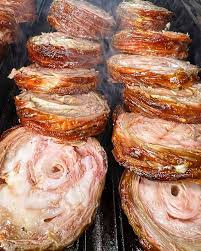
As for intestines, we’ve already covered kokoreç in another article on street food – cooked on a rotisserie grill until partly crunchy, shredded and served in crusty white bread, kokoreç is a delicious Turkish alternative to crispy bacon. Intestines are also the key ingredient in işkembe çorbası, another garlicky soup where this time the protein source is a bit chewier, a bit like kalamar or squid rings, another popular dish that makes some people wince!
Of course, traditionally British sausage casings were made from pork intestines, and steak and kidney pie or liver and onions are still popular pub grub all over the British Isles, but testicles, not so much. If you’re on a diet, billur kebab is a completely fat-free treat if served grilled and wrapped in lavaş like a döner, or the meat can be sautéed in butter and spices for a richer, more luxurious dish. Cooked correctly, the texture is said to be soft and fluffy, like a savoury marshmallow.
Have you met Şırdan?
No look at nose-to-tail Turkish cuisine would be complete without mentioning şırdan. It’s sheep’s stomach, cleaned, stuffed with a seasoned mixture of rice, herbs and spices, and cooked until tender. It is particularly associated with Adana and is one of those dishes that has acquired something of a cult reputation outside the region. Perhaps after the other unusual dishes we’ve covered, it sounds as though it barely merits a mention… until you find out what it looks like. As this is a family newspaper we won’t be publishing a picture, but a quick image search should clarify things for the curious. Let’s just say it looks like it might go quite well with billur kebab!
Adana natives eat it as street food wrapped in paper, biting off the tip and then carefully eating their way down to the end. Tourists are often served it as it comes on a plate so their hosts can enjoy the shocked reaction when they see the dish in all its glory.
So why does the Turkish kitchen seem obsessed with offal?
 There are a few reasons that these cuts of meat that have fallen away from modern British cuisine are still so cherished in Türkiye. Mainly it comes down to resourcefulness. Organs and offal, when prepared correctly, are some of the most nutritious parts of an animal, with high amounts of collagen, protein, B vitamins, iron, and many other minerals. Some are high in nutrient-dense calories, essential to power the body for traditional labour in the fields and forests, or on building sites, in mines, or other physically demanding jobs. Some are low-fat, low-calorie sources of the same vitamins and minerals, if your time is more mentally than physically demanding.
There is also a combination of frugality and respect for the animal that gave its life in the lack of wastage. These days, often the closest we in Britain get to unprocessed meat is getting some lamb chops or a side of beef from the butcher or the supermarket to cook at home. We are somewhat disconnected from the emotional reality, but Turkish people haven’t lost touch with the value of that cow or sheep both as a living creature whose life has been sacrificed to feed people, and to the years of time and financial investment that go into raising an animal for food.
So, would you try it?
That’s the thing about Turkish cuisine. It isn’t really about being adventurous for the sake of being adventurous. It’s about an extraordinary culinary history, thousands of regional traditions, and generations of cooks who were remarkably inventive with what was available to them. Some dishes will make you say, “Absolutely.” Others may produce a slightly horrified expression. And a few will make you wonder whether the person who first thought of eating them simply lost a bet. But maybe you should try before you decide.
Because kelle paça, billur kebab or şırdan may sound or look strange. But they don’t necessarily taste strange. And if nothing else, ordering something you’ve never tried before is a much better story than ordering the chicken.